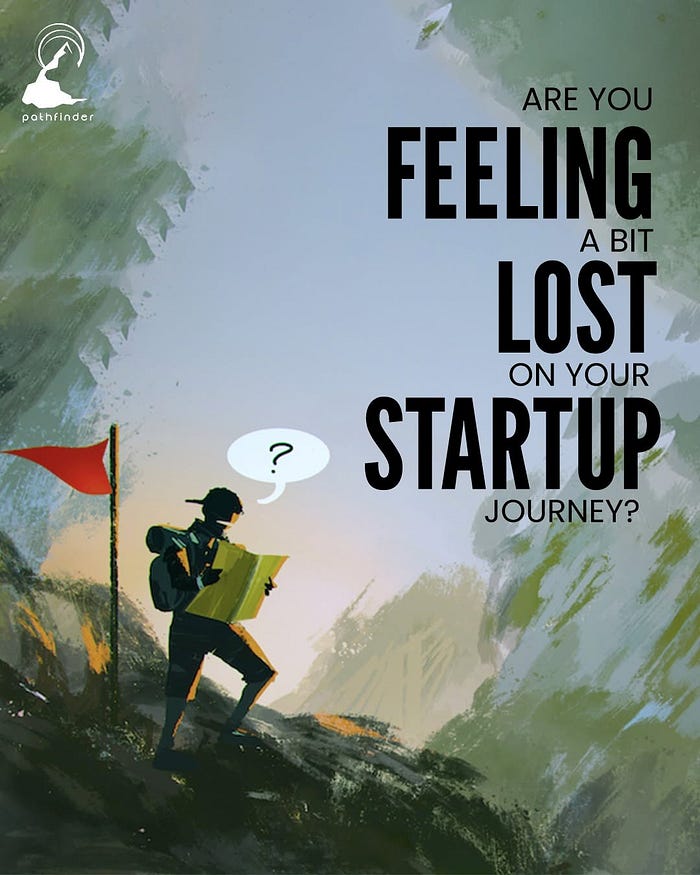
Starting a business often feels like stepping into uncharted waters. You have a vision, maybe even a product, but without a clear direction, it’s easy to drift off course. That’s where a Playbook for startup strategy comes in. Think of it like a GPS system for entrepreneurs — a guide that helps you navigate challenges, avoid pitfalls, and reach your destination successfully.
This article will serve as your Startup strategy playbook. We’ll break down the essentials, give you a step-by-step Roadmap Strategy Playbook, and provide practical insights so you can build and scale your business with confidence.
A Playbook for startup strategy is like a manual that guides your business decisions. It doesn’t just tell you what to do but also how and when to do it. Instead of stumbling through trial and error, you follow proven steps that increase your chances of success.
Think of it like a football coach’s strategy book. The team knows what play to run depending on the situation. That’s exactly what your startup playbook provides: strategies to respond effectively in real-world business scenarios.
Without a clear Startup strategy playbook, many startups waste valuable resources and energy chasing every shiny opportunity. A playbook provides structure, guiding your decisions so you can focus on what matters most.
It’s the difference between baking with a recipe and baking without one. With a recipe, you know the ingredients, the order, and the steps to follow. Without it, you risk ending up with a mess instead of a masterpiece. A playbook keeps you on track and gives you clarity.
Every Strategic Playbooks for Startup usually contains several essential parts: a vision and mission statement, detailed market analysis, a clear business model, an operational plan, financial planning, marketing strategies, and growth or scaling pathways. Together, these create a structured foundation for decision-making and long-term success.
Your vision is about the future — what you want your startup to achieve on a larger scale. The mission focuses on the present, explaining how you plan to reach that vision. For example, a company might have the vision of reducing plastic waste worldwide while its mission is to produce affordable, biodegradable packaging.
This clarity not only motivates you but also helps investors and employees align with your purpose.
Market research is your startup’s flashlight in the dark. It helps you discover who your customers are, what problems they face, and whether they’re willing to pay for your solution. Validation takes this a step further by testing your ideas in the real world. This could mean conducting surveys, interviewing potential users, or launching a small pilot version of your product.
Without research and validation, you risk building something no one actually needs.
A business model describes how your startup will generate revenue. Some businesses succeed with subscription models, while others thrive on one-time sales, freemium services, or marketplace structures. The key is to choose a model that aligns with your product and customer behavior.